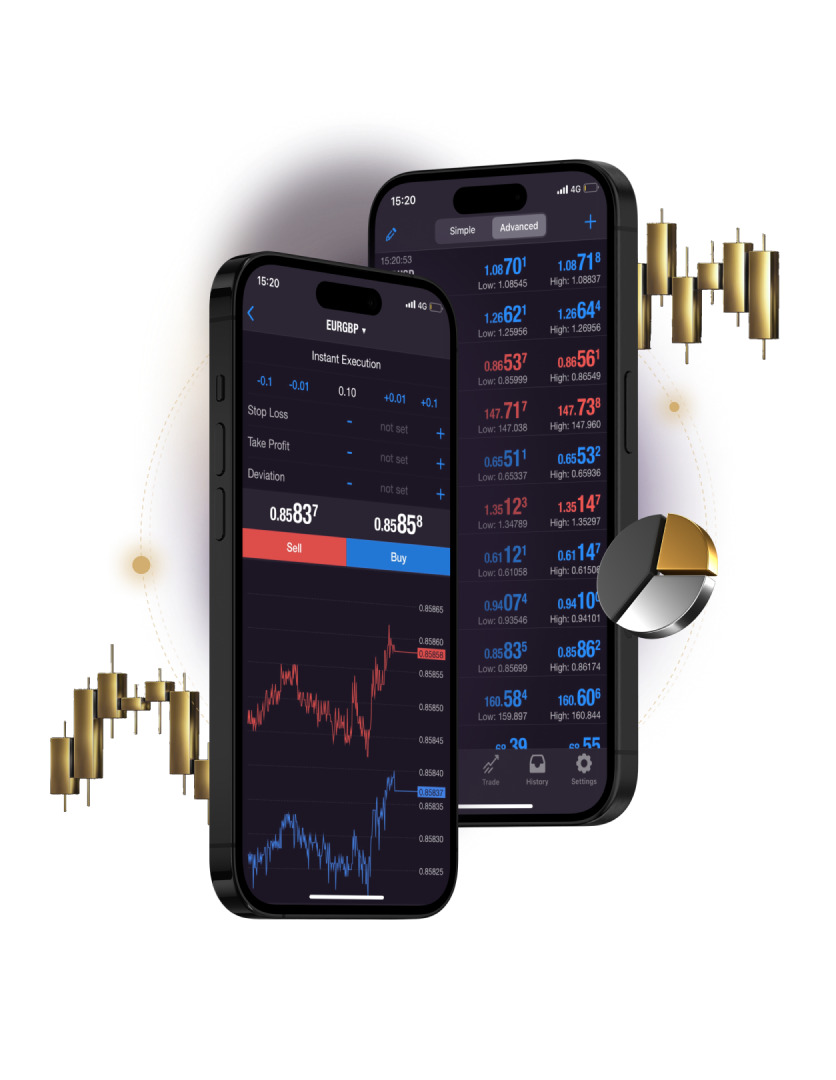
Forex trading continues to attract investors worldwide due to its high liquidity and 24/7 market access. However, for beginners, navigating the complexities of Forex can be overwhelming. Developing a robust trading strategy is the first step to gaining confidence and achieving success. Below is a breakdown of a straightforward yet effective forex trading strategy tailored for new traders.
Understanding the Basics of Forex Trading
Before leaping into strategies, it’s vital to grasp what Forex trading entails. Forex, or foreign exchange, involves trading currencies in pairs (e.g., EUR/USD). The goal is to profit from fluctuations in exchange rates, which can often be volatile due to economic events, geopolitical developments, and market sentiment.
Unlike stock markets, Forex is decentralized and operates through a network of banks, brokers, and financial institutions globally. This decentralization offers significant opportunities but also requires a solid understanding of market dynamics.
Start with a Demo Account
For beginners, a demo account is a must. Most Forex platforms offer virtual trading accounts that replicate real-market situations. Leverage this tool to practice strategies without risking capital. During this phase, learn to read currency charts, understand trends, and master the platform’s features.
Use Technical Analysis
Technical analysis is a key component of any Forex strategy. It involves studying price charts and patterns to predict potential market movements. Simple indicators like Moving Averages (MA) and Relative Strength Index (RSI) are a good starting point:
•Moving Averages (MA): Help smooth out price data to identify trends over time.
•Relative Strength Index (RSI): Measures the speed and change of price movements, helping detect overbought or oversold market conditions.
By using these indicators together, you can identify potential buy or sell signals more accurately.
Risk Management Is Key
An essential aspect of Forex trading is risk management. Set a clear risk-reward ratio—ideally, a minimum of 1:2. This means for every dollar you risk, you aim to make at least two. Additionally, never risk more than 1-2% of your total account balance on a single trade. Implementing stop-loss orders prevents significant losses and protects your capital.
The Ultimate Forex Trading Strategy for Beginners


